Designing smarter, making cheaper
Practical articles on TRIZ, DFM & DFA, mechanisms, static load analysis, plastic parts, CNC, sheet laser, brackets, jigs — and how small design decisions cut manufacturing cost.
 Featured
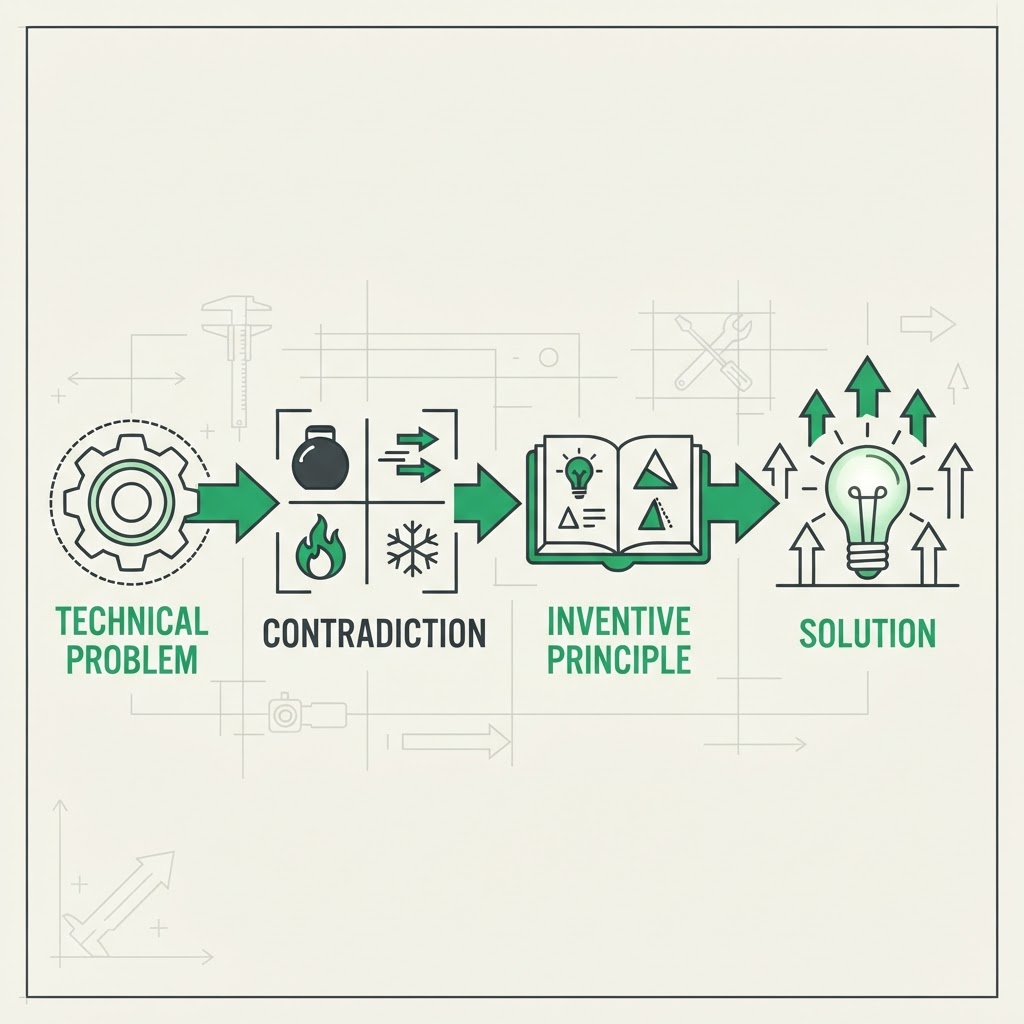
What is TRIZ? The Systematic Way to Invent
TRIZ turns invention from guesswork into a repeatable method. Here is how it works and why engineers should care.
Read articleThe 40 Inventive Principles of TRIZ
The 40 principles are reusable solution patterns extracted from patents. They turn vague creativity into a checklist of proven moves.
Read more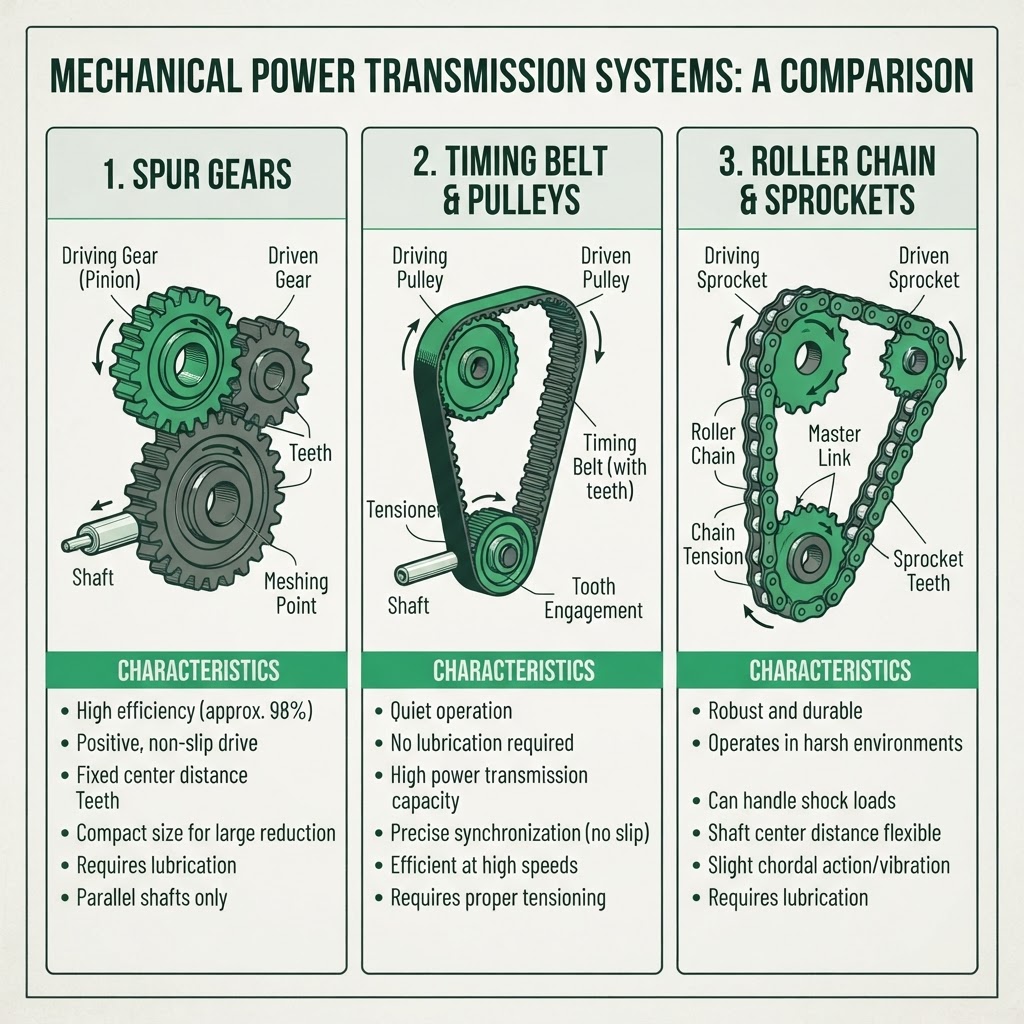
Mechanisms Comparison: Gears vs Belts vs Chains
Power transmission is one of the first decisions in a mechanism. Each option trades off cost, precision, noise, and maintenance.
Read moreLinkage Mechanisms: The 4-Bar and Beyond
Linkages convert one motion into another using only rigid links and joints — the quiet workhorses of mechanical design.
Read moreCam and Follower Design Basics
Cams produce precise, repeating output motion from a rotating input. When the motion profile must be exact, a cam is often the cleanest answer.
Read more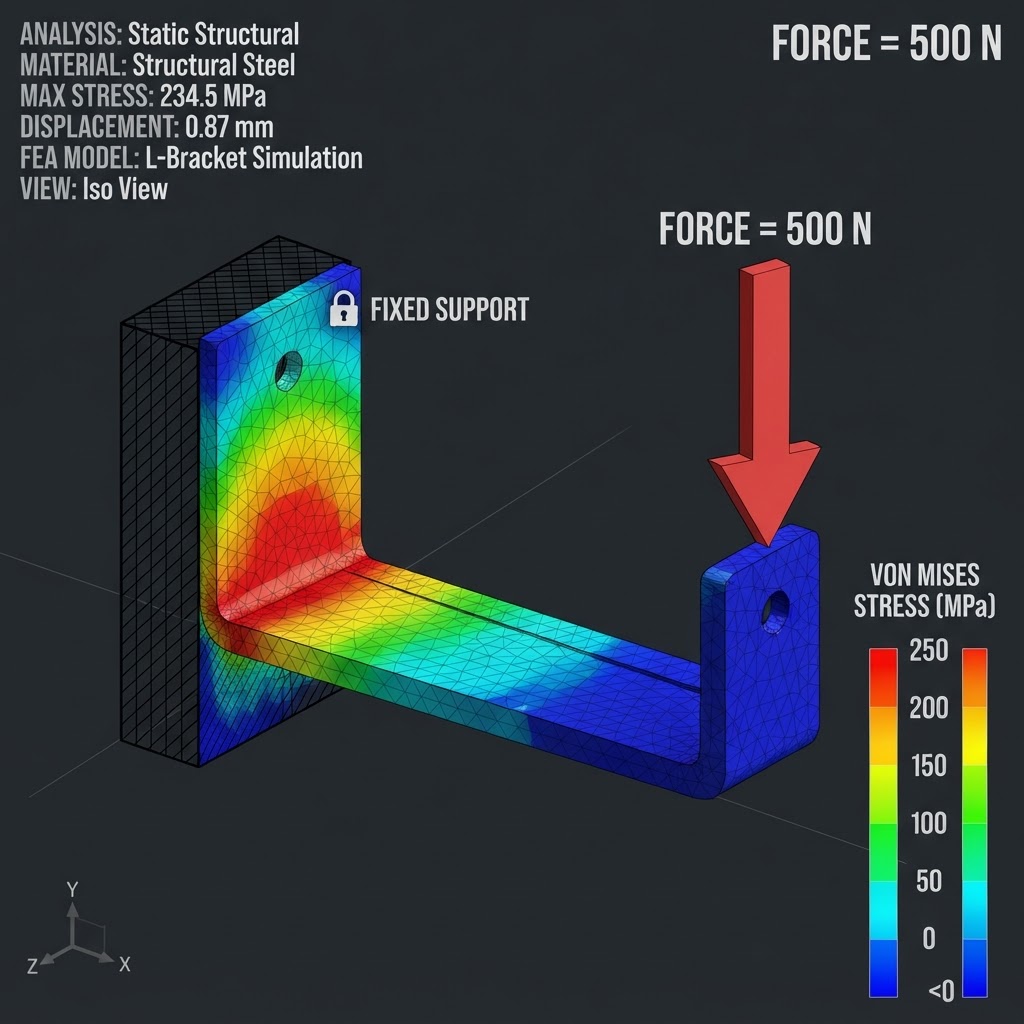
Static Load Case Study: A Wall Bracket
A bracket holding 50 kg looks simple — until you ask where it fails. A static load study tells you before you build.
Read moreHow FEA Helps You Trust a Design
FEA turns I think it is strong enough into here is the factor of safety — and filters bad designs before you cut metal.
Read more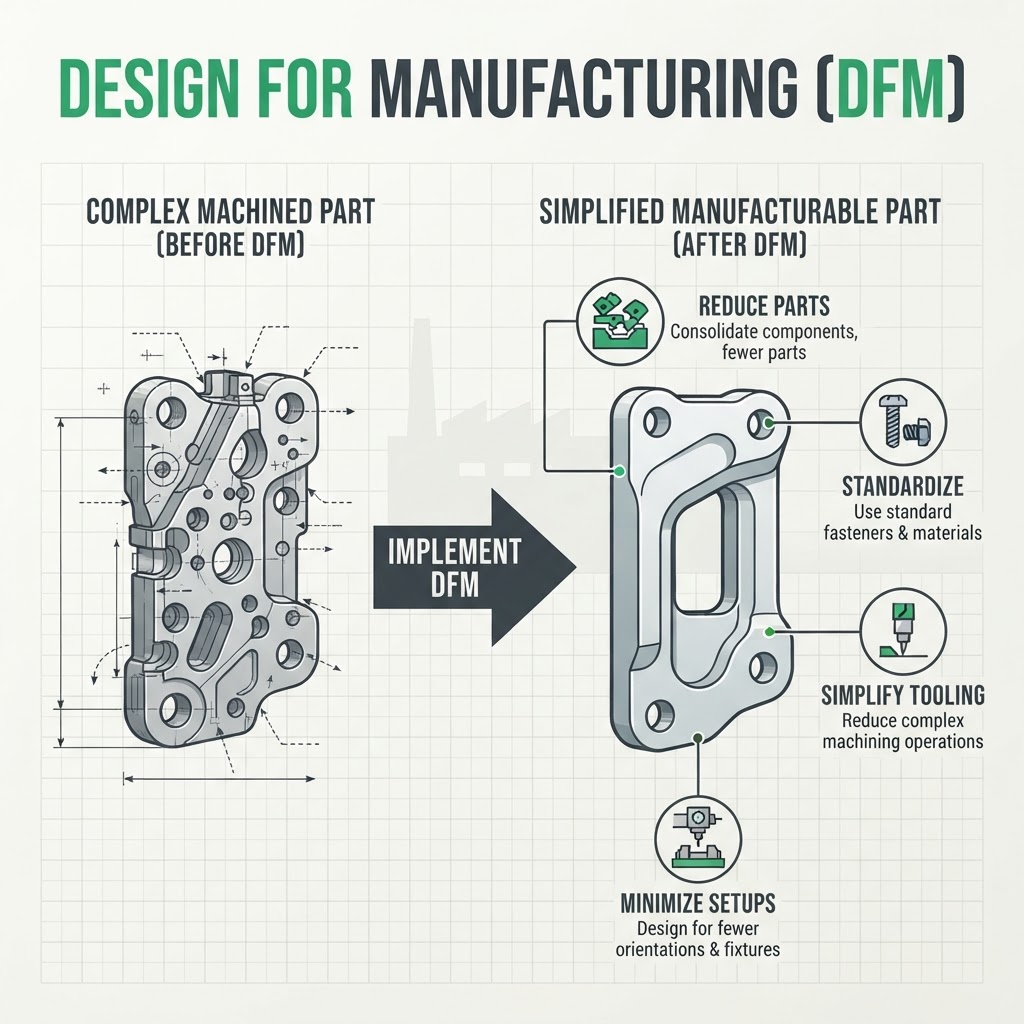
What is DFM? Design for Manufacturing
DFM means designing a part so it is easy and cheap to make — a mindset applied from the first sketch, not a cleanup at the end.
Read more10 DFM Rules That Cut Cost
Each rule is a small decision that, multiplied across a product, becomes a large saving.
Read more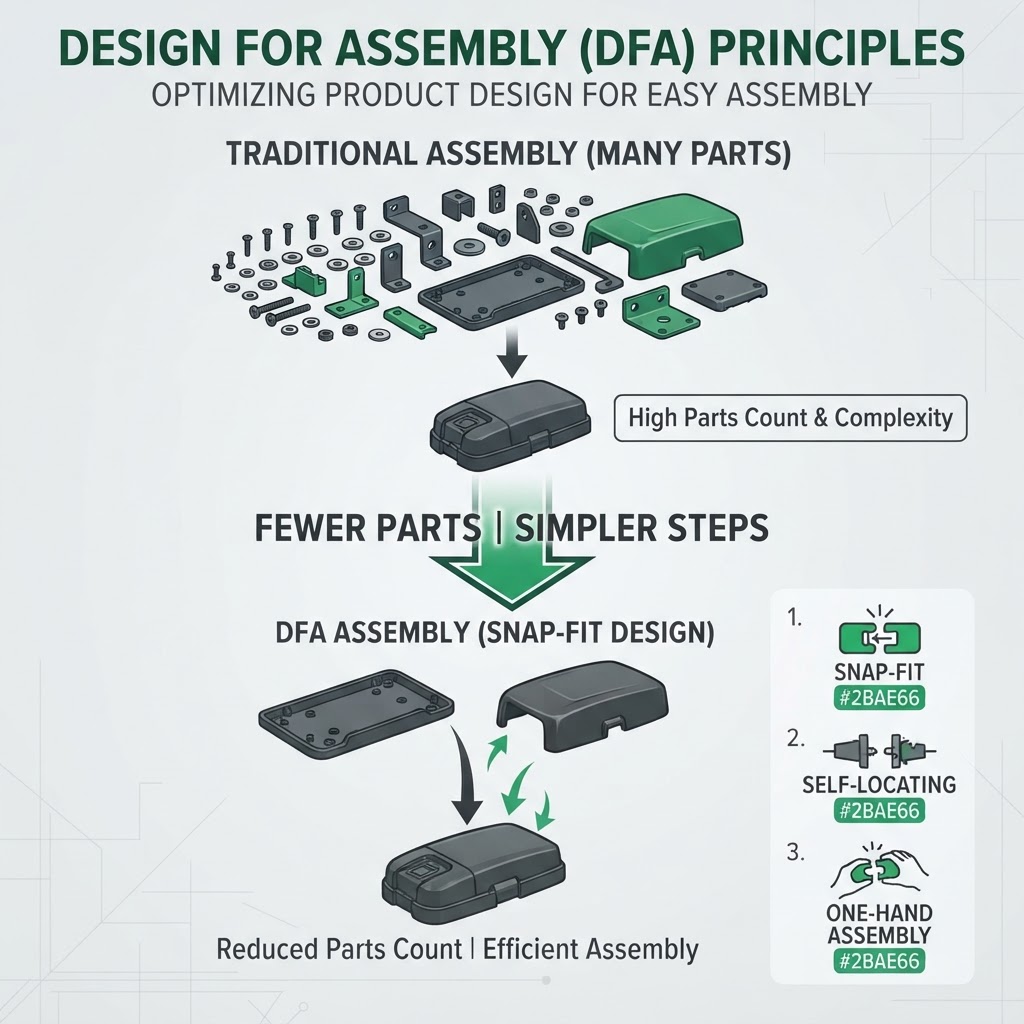
What is DFA? Design for Assembly
DFA focuses on how easy a product is to put together. Fewer parts and fewer steps mean cheaper, more reliable assembly.
Read moreDFA in Practice: Reduce Part Count
The simplest DFA question: does this part need to be a separate part? If not, make it part of something else.
Read moreDFM vs DFA: Finding the Balance
DFM asks if each part is easy to make. DFA asks if the whole product is easy to assemble. Sometimes they pull in opposite directions.
Read more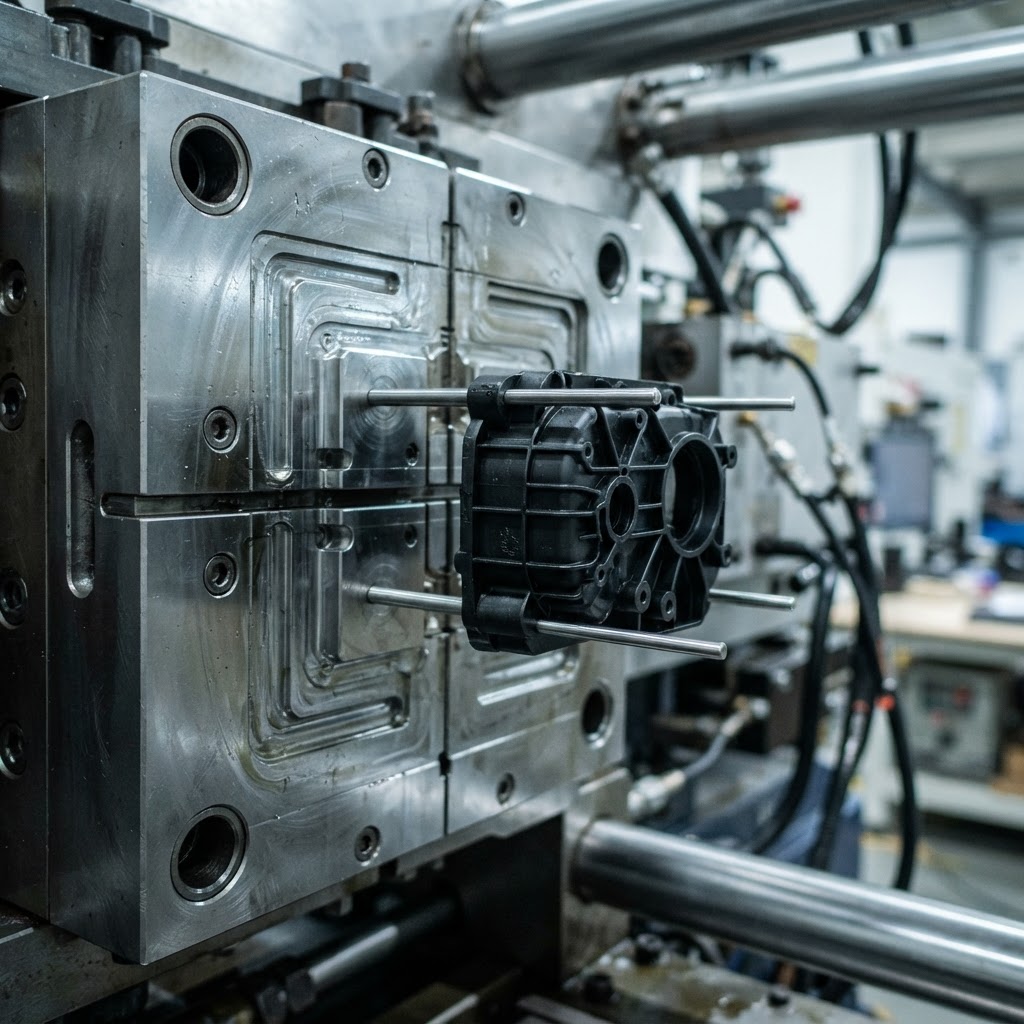
Plastic Part Design for Injection Molding
Injection molding is the cheapest way to make a million parts — and the most punishing way to design a bad one.
Read moreDraft, Ribs, and Bosses in Plastic Parts
Three features that make or break a plastic part — and the common mistake that turns stiffness into sink marks.
Read more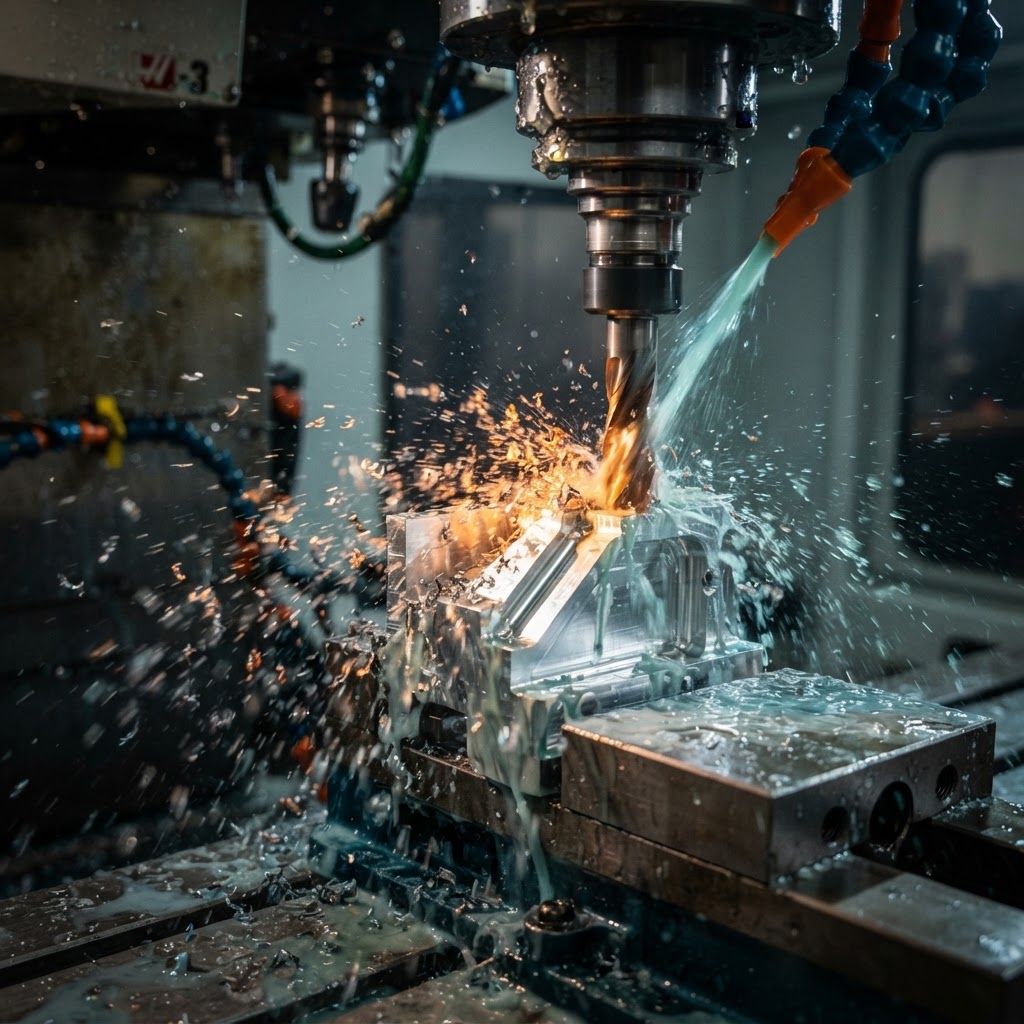
CNC Machining: When and Why
CNC removes material from a solid block — precise, flexible, and needs no tooling. Perfect for low volumes and complex geometry.
Read moreCNC Tolerances and Cost
A tolerance is a promise to spend money. Every decimal place of precision costs exponentially more.
Read more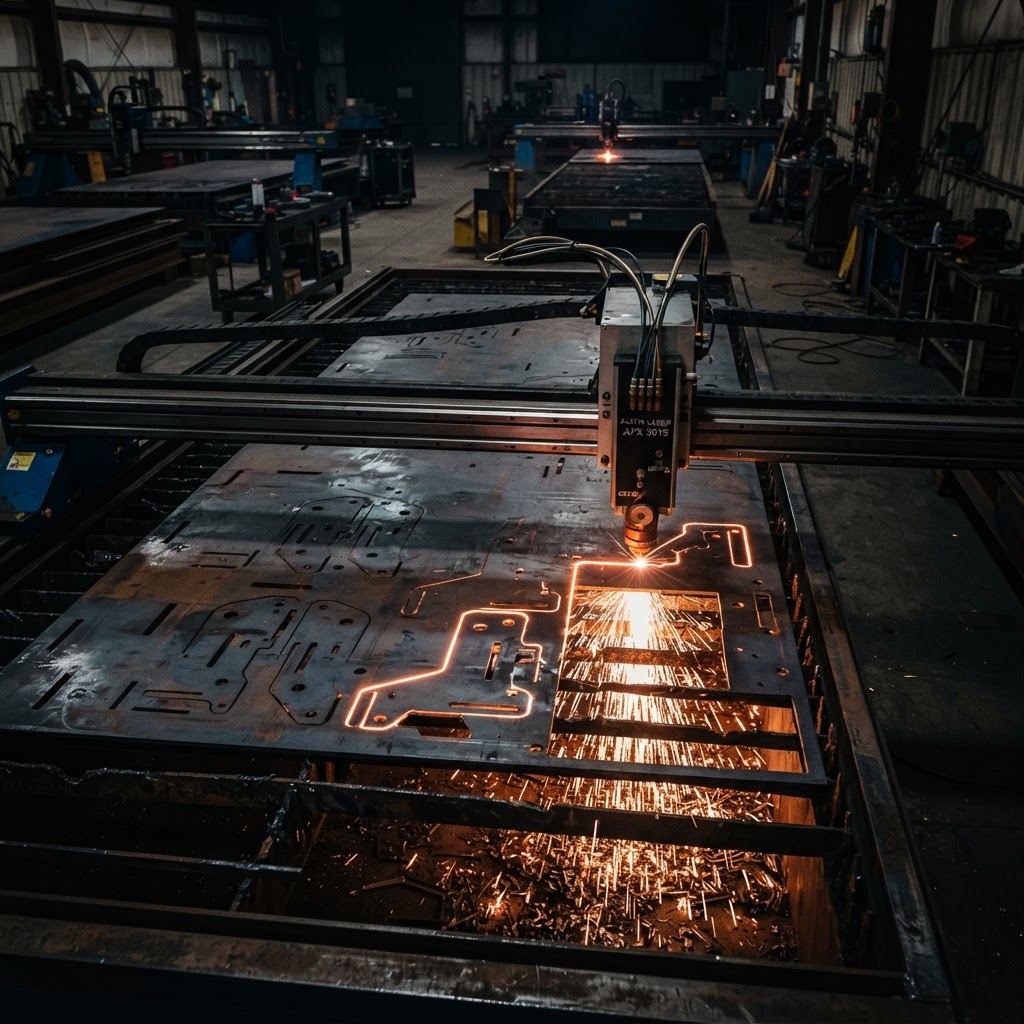
Sheet Metal Laser Cutting Basics
A fiber laser cuts flat sheet with no tooling and fast setup — the default for brackets, enclosures, and flat parts.
Read moreDesigning Sheet Metal Brackets for Laser Cutting
A bracket is a flat shape that becomes 3D with a bend. Designing it well means designing the flat blank well.
Read moreBend Relief and K-Factor in Sheet Metal
When sheet bends, the outside stretches and the inside compresses. Two concepts decide whether your blank unfolds to the right size.
Read more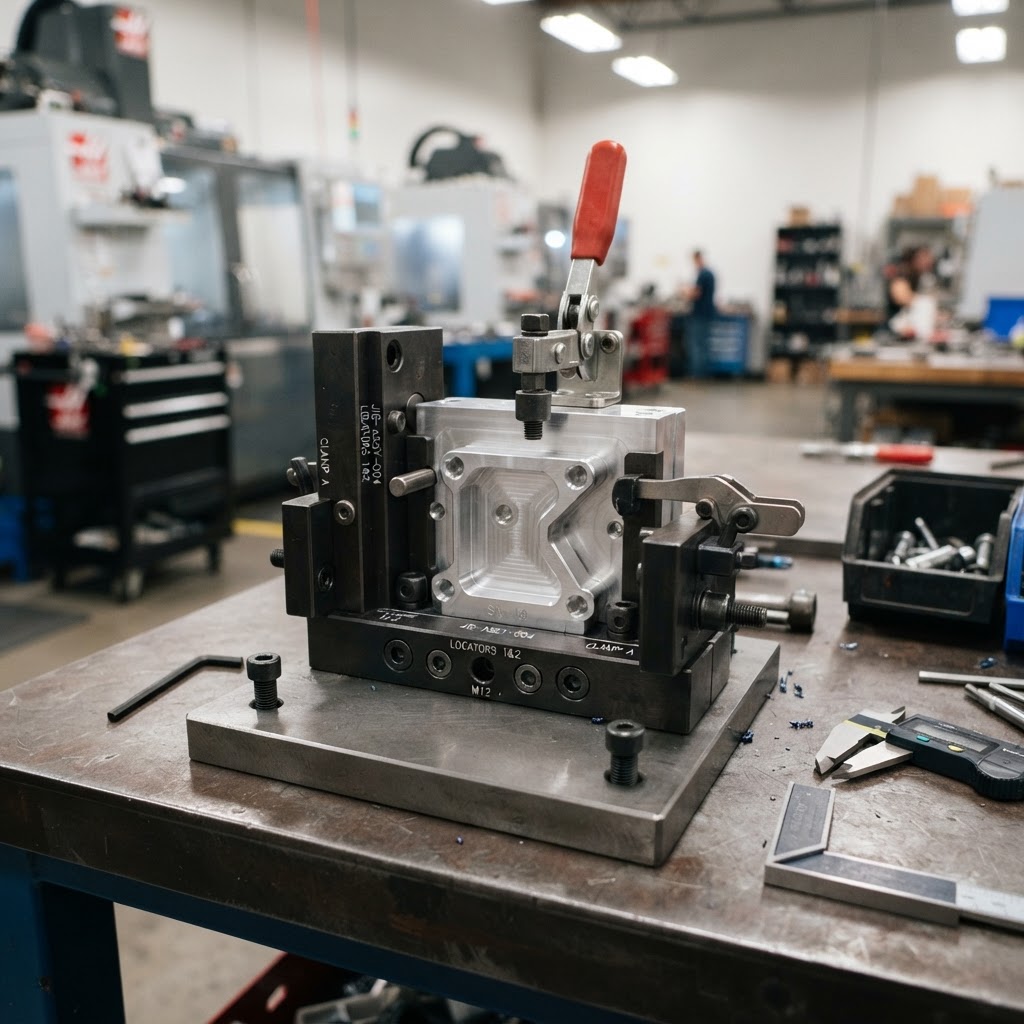
Jigs vs Fixtures: What is the Difference?
The words get used interchangeably, but they do different jobs — and the difference matters in the shop.
Read moreDesigning a Welding Jig
A welding jig holds parts in position while they are welded. Its job is to control heat distortion and keep assemblies consistent.
Read more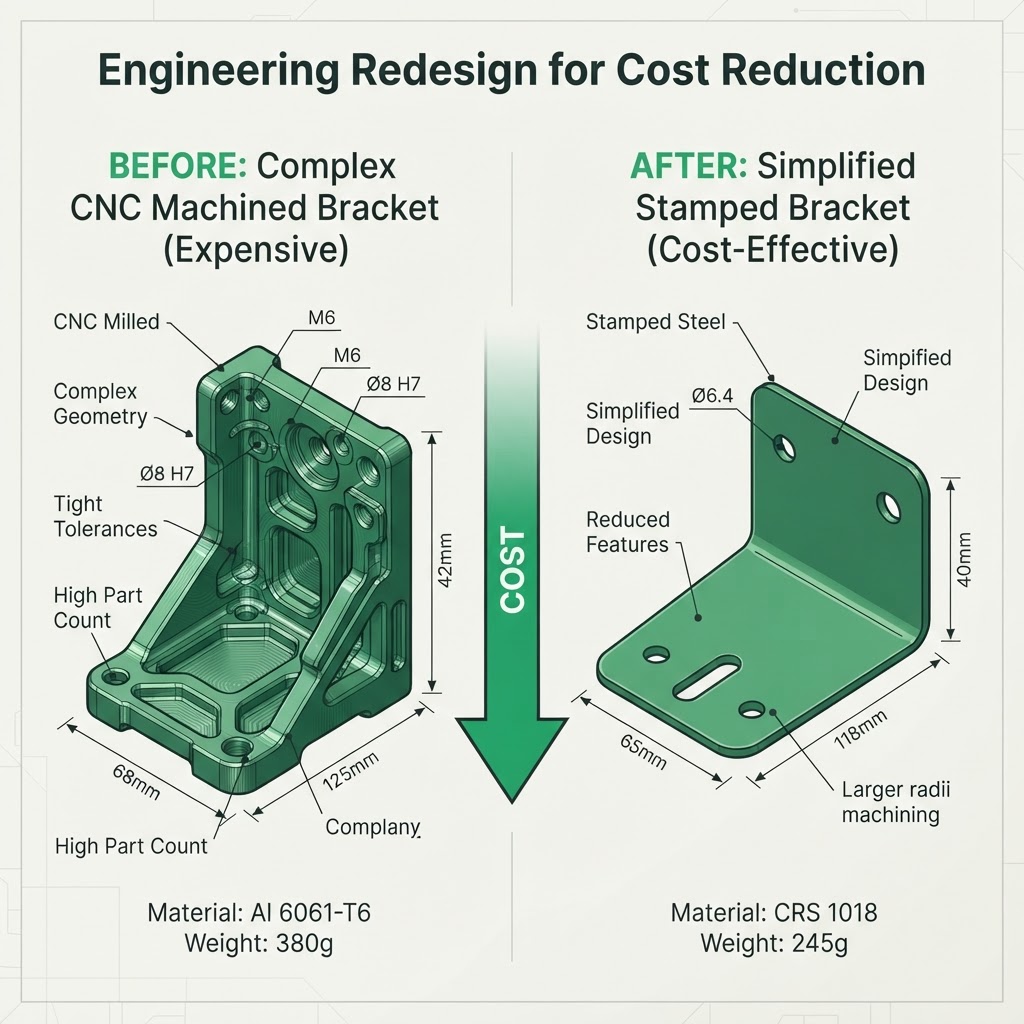
How a Small Design Change Cuts Manufacturing Cost
A deep pocket existed only to clear a cable. We rerouted the cable and removed the pocket — part cost dropped 65%.
Read moreTolerance Stack-Up and Cost
Tolerances do not just cost money individually — they stack. A stack-up analysis, done early, often reveals hidden over-tolerancing.
Read more
Material Selection Drives Cost
The material is often the first cost decision and the last one revisited. The best material for performance is rarely the cheapest that still works.
Read moreFrom Prototype to Production: A Checklist
Moving from one prototype to a production run is where most cost is locked in. A short checklist keeps it disciplined.
Read more